Performance, body image, and REDs
Emily Stewart McLean
When I was 18 years old, I moved across the country from southern California to Boston, Massachusetts, not only to attend college, but to pursue Irish dancing under a teacher whose coaching I knew brought out the best in me. Naturally a perfectionist, I placed significant internal pressure on myself and felt determined not to let this opportunity go to waste.
Training harder than I ever had before, my body began to change not long after the move. Shortly thereafter, I lost my menstrual cycle, which I rationalized as a sign of how “in shape” I had become. At times, my newfound leanness was met with well-meaning praise, but even louder than this external feedback was the internal voice telling me that my new physique and missing period were a reflection of my discipline and commitment to my training.
Alongside the step-up in physical training, I was engaging in mental training like never before. My teacher provided me with the tools, guidance, and unending support to strengthen my mental toughness, as confidence was something I had always struggled with. Under her guidance, I began to use practices such as standing in front of the mirror talking about my goals, fears, and insecurities, visualizing my performance, meditating, and journaling. Over time, these practices contributed to a growing belief in myself not only as a dancer, but more importantly, as a person.
Causal effect
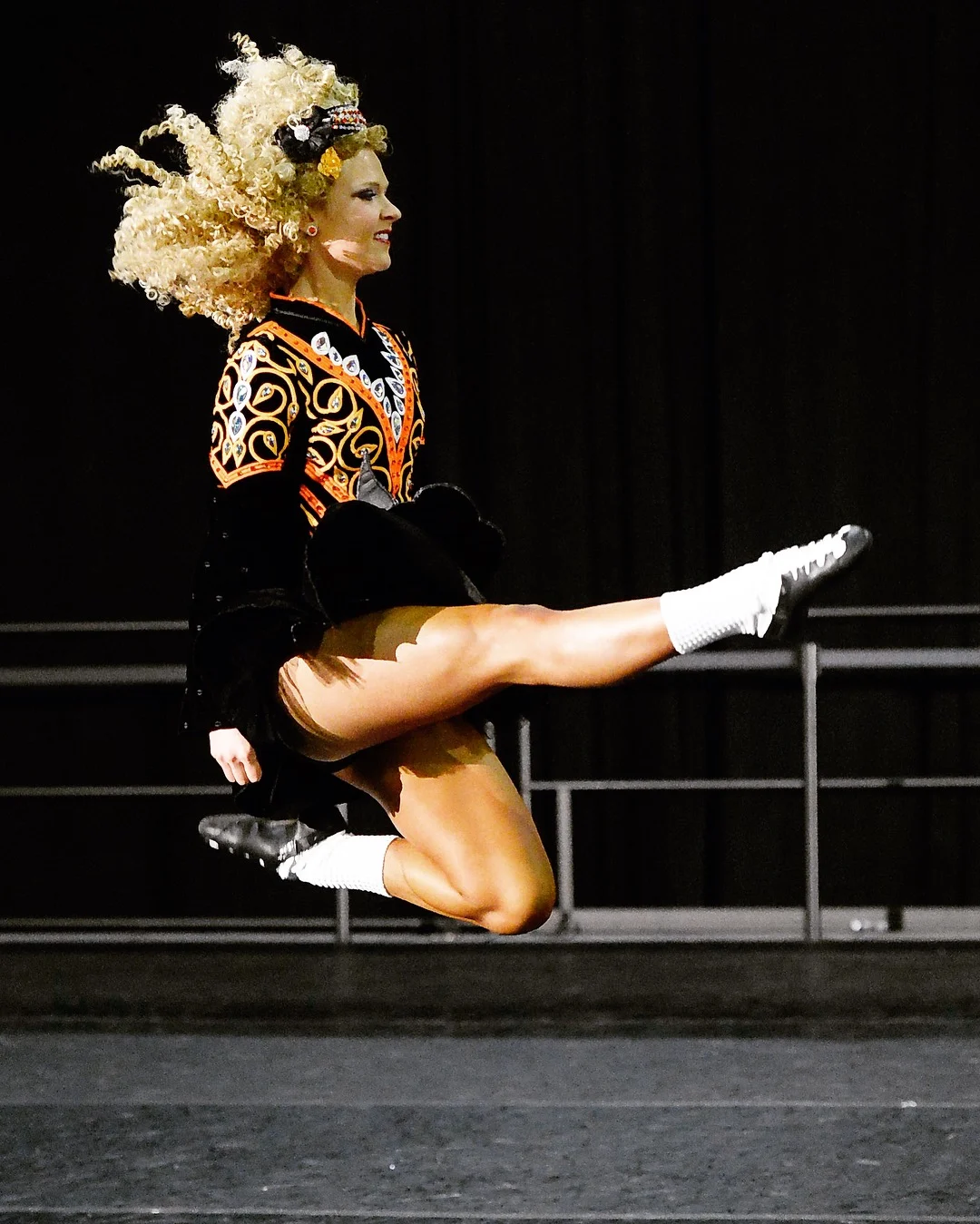
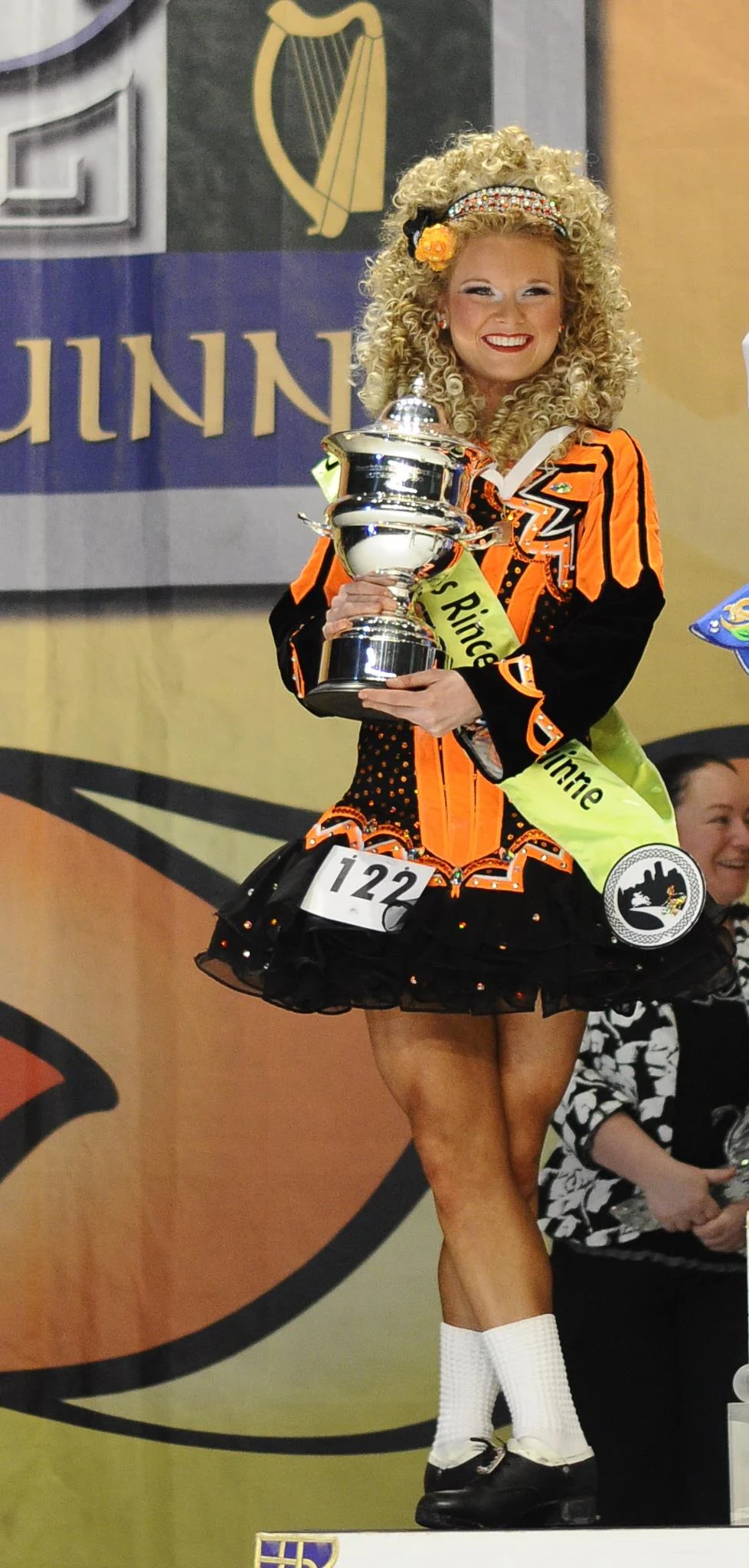
Over the next several years, my dance career accelerated quickly. I had won the North American National Championships, won two consecutive All-Ireland Championships, and placed as high as 4th in the World Championships, alongside many other top medals and placements.
In my mind, there was a link created between this success and what I thought was discipline about my diet, weight, and training. I had conflated the new version of my body with my competitive success, creating a causal effect in my mind.
What I failed to realize at the time was that this ascent to the top had nothing to do with how my body looked.
Rather, it was the day-in, day-out mental work and growing belief in myself that built an unshakable focus and ultimately allowed me to perform at my very best.
During this time though, my relationship with food, exercise, and my body was becoming increasingly complicated. Food began to take up more and more space in my mind, and my eating habits became increasingly rigid, which I interpreted as discipline and something necessary to sustain my new level of performance. I became hyperfocused on maintaining my leaner physique, with a growing fear of going “back” to my previous body.
Challenging the internal narrative
While food and body-related thoughts escalated, my mind simultaneously minimized the situation. I didn’t feel like I fit the stereotypical image of an eating disorder that I held in my mind, and I associated a strict diet with the sacrifices of being an elite athlete.
What I didn’t realize back then was that my negative relationship with food, body, and exercise had become a coping mechanism for internal emotions that felt too big to face, or were difficult for me to identify at the time. The very nature of what I was experiencing distorted my thinking and limited my insight.
I was very fortunate to be in a healthy, supportive environment, and despite this, I was deeply entrenched in an unhealthy mental pattern that I didn’t have the capacity to recognize or change at the time.
Although recovery took years and had its fair share of ups and downs, I am grateful for all of my experiences and the many lessons I learned along the way. I now recognize what I was experiencing as REDs, though at the time the concept was only just emerging and not something I had awareness of. Looking back, the symptoms I was experiencing reflected the negative health and performance consequences of low energy availability.
Nourishment for performance
Now a Registered Dietitian specializing in the intersection between eating disorders and dance and sport, I am passionate about helping dancers and athletes nurture a positive relationship with food and their bodies while adequately fueling performance.
Today, I work with individuals navigating REDs and eating disorder recovery, helping them rebuild trust with their bodies, improve flexibility with food, and restore adequate energy availability to support both health and performance.
I am so grateful for my journey through Irish dancing, all of the complexities within it, and how it has shaped me into the person I am today, both personally and professionally.
I hope that by sharing this part of my story, it can resonate with other dancers, and serve as a reminder that when your relationship to food, body, or exercise begins to feel distressing or all-consuming, specialized support is available, and it can make a meaningful difference to both physical and mental health.