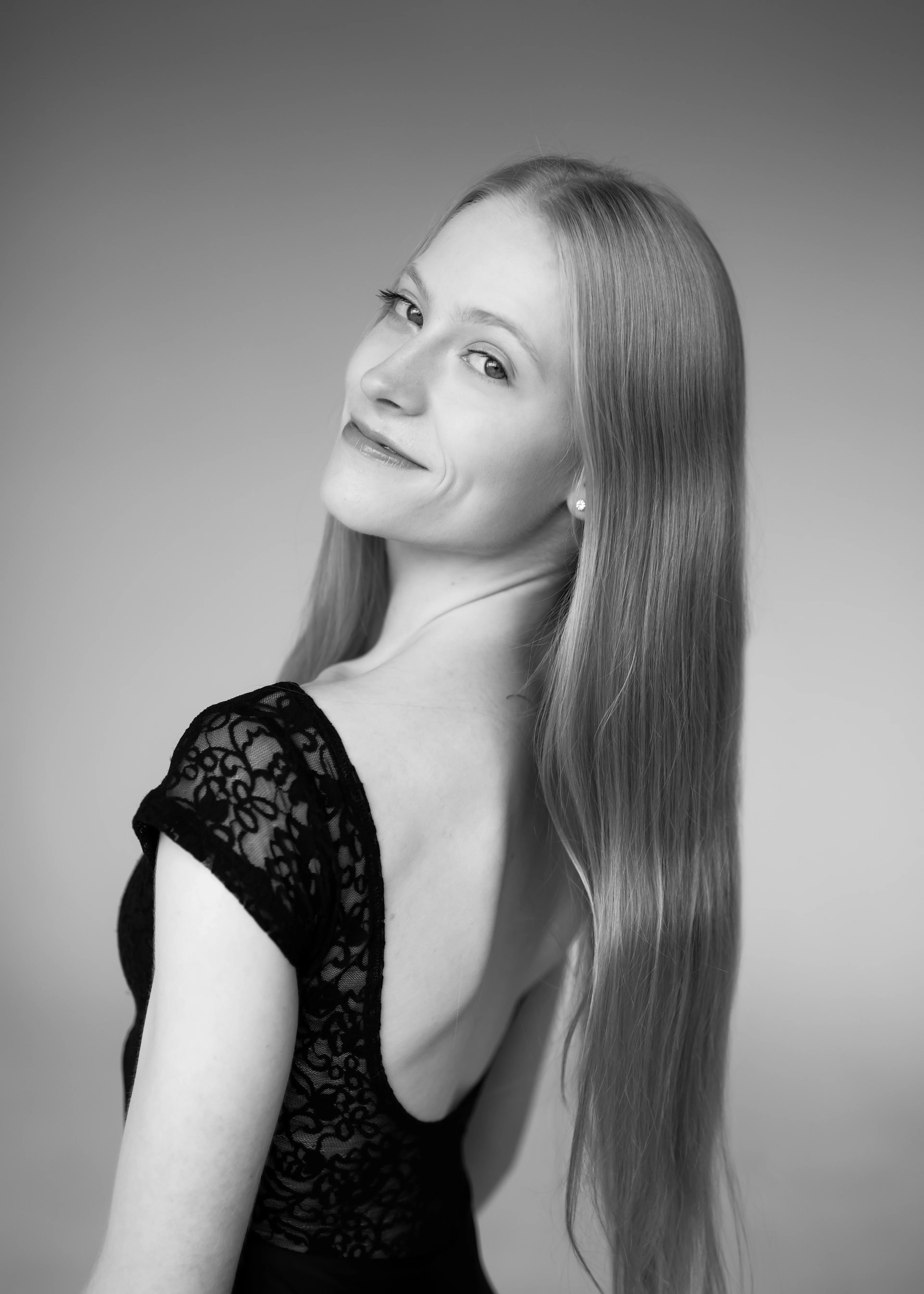
From struggling with REDs to being proud of my recovery
Kallie Green
Where did you first hear the term REDs and how did it make you feel?
REDs was first introduced to me when I started meeting with my nutritionist, Rachel Fine, at the beginning of 2023 when I noticed I had a lack of energy in the studio. I didn't feel as strong and I was really struggling with fuelling my body as a dancer.
When I started working with Rachel she started explaining REDS and how it affects women athletes and in particular dancers. Learning about REDs made me feel seen and reassured me that I wasn't alone. It’s so common unfortunately, as sad as it is, especially amongst women and dancers in general.
What led you to experience REDs?
In my first years at a residential training program, there were a lot of unhealthy messages and expectations. There was a really big emphasis on work, productivity, and efficiency with a lack of information on how to fuel our bodies. Many of us underwent harsh body shaming, were told to eat less, and to avoid whole food groups such as carbs. Rest and recovery was not encouraged and we did not have great access to PT.
It was a wonderful school in the sense of the training I received. I'm very thankful that I got to have that experience but it was really hard for me emotionally and mentally as far as body image went and encouraged unhealthy eating habits that wouldn't support me in the long run as a dancer.
My struggles began during this time, but I wasn’t formerly diagnosed with an eating disorder until 2023.
How did your experience with REDs progress from then on?
My eating disorder was a really big part of this, but the symptoms of REDS were present long before I realized
I was preparing for a big competition, where we had to prepare lots of repertoire. It was a very rigorous schedule on top of everything I was already doing at school. I now believe that being in an energy deficit contributed to fueling my eating disorder. Most people assume that the ED comes first but that’s not always true. Anyone can have REDS.
At that time I didn't have the knowledge of how much I should be eating. I was eating well but not enough calories.
That’s why I think it’s so important for dancers, and myself, to understand how much food we need. I wasn’t purposefully not eating enough, it was ignorance and a lack of education.
How is your relationship with food now?
My mindset is completely different.
With this diagnosis there’s a lot of stigma surrounding it. There’s a lot of judgment from people, their perception of it and what they think they know about it. I have been working on recovery for almost three years. There have been ups and downs, but in the past year I have been truly dedicated to recovery. I’m at a point where I am fully weight restored physically and have such a better mindset about everything.
I've worked really hard to get to this point and I am so much happier. Recovery has been the best thing in the world, and I wish and I hope for other people who struggle with eating disorders, or disordered eating, that they can see how good their life can become when they choose to recover.
How has your mental health been?
I work with a really great therapist, a sports psychologist and psychiatrist and I have a lot of great resources that have been really helpful in this process. My family has been there for me through it all and my mom is my rock.
I think mental health for dancers needs to be discussed more.
Throughout this process there have been hard times especially when I did have to take a break from dance because of my injury, I had a stress fracture on my second metatarsal. That was probably the hardest part, because I was missing everything that I loved.
I gained a lot of knowledge and tools for how to cope with having to take a step back away from dance. I learned a lot more about myself as a person away from dance and it's made me a stronger dancer now.
How do you feel now?
I feel very proud. It's definitely not the path that I imagined for myself but I think that that's the most important thing that I've learned from all of this - I'm so incredibly proud of myself and my strength to overcome such a mentally but also physically challenging time.
It takes a lot to recover and so I'm really proud of all the work that I've done because that's the work that allows you to flourish on stage and the dedication that it takes to keep pursuing your art form.
I knew I always wanted to be a dancer and I wasn't going to let the things that I was struggling with take me away from that. I was going to overcome them so I could continue to do what I loved.
Out of everything I am most proud of my recovery and my strength as a person because that is what allows me to flourish as a dancer.
What advice would you give another dancer struggling?
You're not alone. Reaching out for support is scary and it takes a lot of courage but the alternative is so much scarier.
You deserve to live a full life, to be happy and healthy, and sometimes we need help and support in doing that but it only makes you stronger, and it only makes you a better version of yourself.
In order to be the best person and dancer you wish to be, you have to be able to bring your fullest self to what you do and that starts with your health mentally and physically.
You're not alone. Reaching out for support is scary and it takes a lot of courage but the alternative is so much scarier."