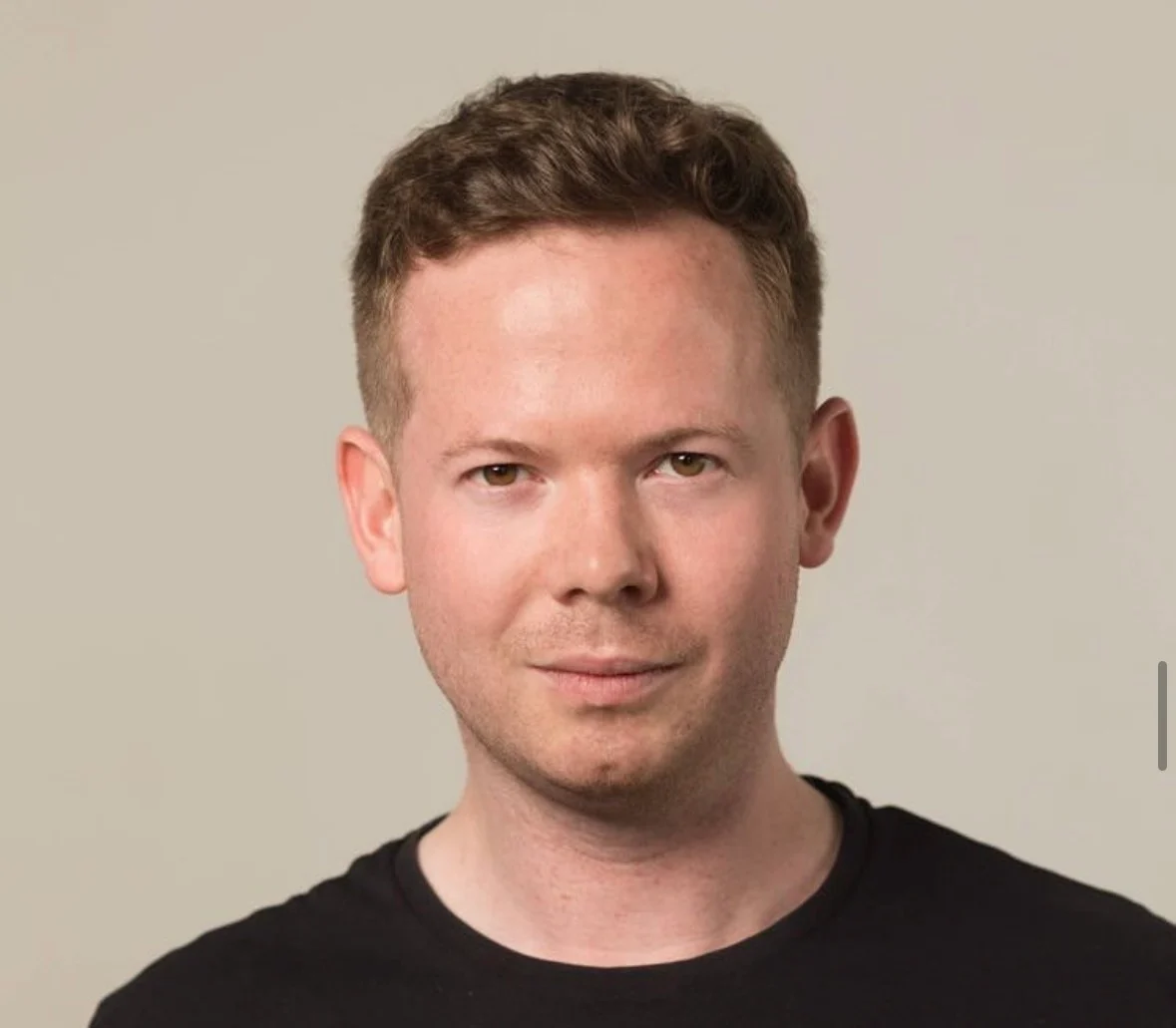
How my experience with REDs shaped me as a coach
James Barton
What has been your experience with REDS?
As a performer, I often struggled to find a balance and discover where my physically ‘happy place’ was. As a young dancer in a ballet company, I was told rather nonchalantly by my director that I had “some exciting casting coming up, but I had to lose weight.” My limited knowledge surrounding health and nutrition, combined with a complete lack of support or encouragement from leadership, meant that I immediately started crash dieting and putting my body through a severe calorie deficit. I got results, but not surprisingly was unable to sustain it. And so started a pattern of unhealthy habits that I don’t think I ever addressed properly until I stopped dancing.
How did that experience impact your view on dance as a whole?
When you’re in the bubble of a dance company, you tend not to question a lot of what is going on around you and accept it as ‘the norm.’ I enjoyed my dancing career very much and thrived off being part of a community full of vibrant, energetic and creative people. I don’t think it was until I stopped dancing that I began to process that some of my feelings towards body image and nutrition were not healthy.
How have your experiences shaped you as a coach?
As a Rehearsal Director, I have witnessed many dancers going through the same experiences as me. I have done my best to be a positive voice to enable artists within my care to view themselves differently. I must confess that I have not always got it right, but it is a journey I'm still on to make active change. What is so wonderful is that my generation has recognised that we didn’t put enough emphasis on fuelling or taking care of ourselves. That means we can begin to help make things better for the dancers coming into the profession now.
In what ways do you try to foster an open and healthy culture about nutrition / body image / mental health etc?
The biggest challenge I see for dancers is constant comparison to other people. I did it a lot myself when I was performing. I try to always put an emphasis on an individual's strengths, by allowing them to see what brilliant things they’re contributing, as well as how valued they are. That feeds through to body image as well - no dancer is the same. We are all built differently and our bodies function differently. That is something to be celebrated and not criticised.
What do you wish men knew or understood about their health from a young age?
When I was training there was no emphasis put on fuelling your body in the right way. I never remember being taught about a balanced diet with protein and carbohydrate - we were just told to eat healthily and cut out junk food. We didn’t really understand what ‘healthy’ meant. The demands on a dancer's body are so high these days, so it’s important for students to be educated early on as their bodies are changing .
When you look back now, how do you feel about the person and the dancer you have become?
Like many dancers and performers, I had my fair share of struggles when it came to body image, often bought on by unkind and unnecessary remarks by other people.
I enjoyed my career very much, but it is my ‘second act’ as a dance educator that has brought me immense joy. I love nurturing younger dancers and acting as a facilitator to allow them to achieve their goals. Being a positive voice surrounding body image is really important to me. I hope that with the help of my brilliant colleagues in the dance world today, we can help to make our industry an even safer place for everyone.