Learning the importance of nutrition
Miranda Silveira
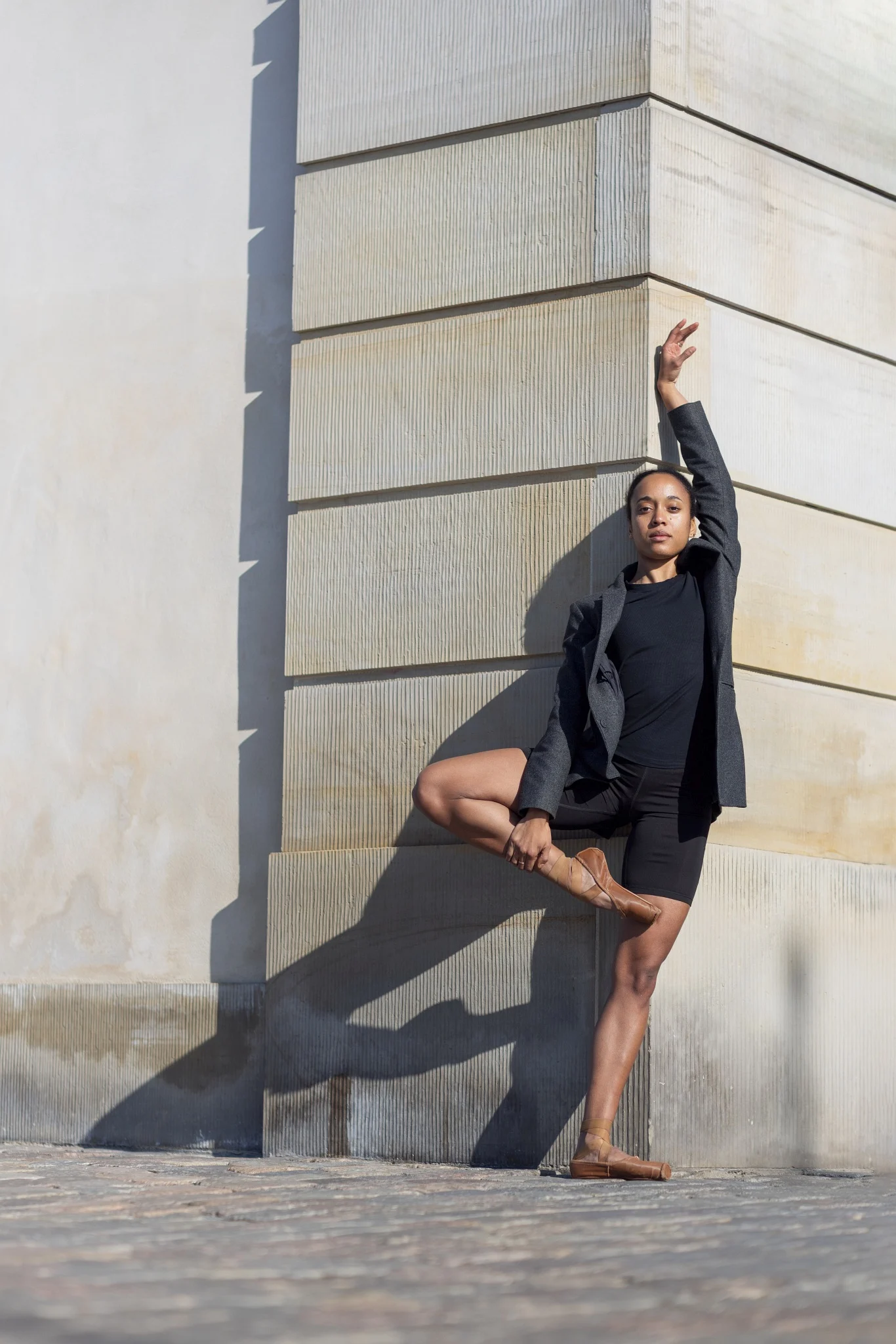
Miranda is a freelance ballet dancer and CNC certified nutritionist trained in the United States.
What was the moment for you when you realised that nutrition was important for your dancing?
As a teenager with two major injuries, I realized the importance of nutrition, since no one around me discussed it.
At 19, I had stress fractures from REDs, unaware of the cause, which limited my dancing.
As I got older, I was told by doctors that I wouldn’t be able to wear my pointe shoes after a certain amount of time, but almost a decade later, I'm still dancing on point and without pain.
I slowly realised that there was a greater connection between my nutrition intake and my dancing. I was able to find the time and also the money to get my own knowledge, and I finally got my certification in 2022.
I found that it took a while to really notice how important nutrition was to me, and to dancers in general, because the dance bubble is small and it's not something that just comes up in conversation.
Why is nutrition important for dancers?
Once I got the certification and adapted the things that I had learned in my knowledge and education, I was able to heal my body and dance without pain.
There's a lot connected with your intake in terms of pain, longevity, strength, and just being able to do what you asked for in the long term, that's something that as dancers we aim for. If you're not prioritizing it every day, you're not able to perform the way that you've been rehearsing and those many hours in the studio actually don't pay off. Prioritisation is key.
Nutrition has not been prioritised in the dance world and there are also a lot of fads so if you're surrounded by people that have a toxic relationship to nutrition, you will normalize it.
It's important to get a minimum knowledge so you don't normalize what is actually toxic for your day to day relationship with dance and nutrition.
What does your nutrition look like before a performance?
When I'm getting ready for a project, I know that a month before I'm changing my way of strength training and my way of intake. I focus more on anti-inflammatory foods and I increase my protein intake because that's going to allow me to repair faster and recover faster, as well as increasing the carbohydrate intake for a higher energy.
When I am done with the performance season, I come back home and focus more on foods that are better for my soul. Without such planned intake, and going back to a training plan that prioritizes overall health.
What are your best nutrition tips for dancers?
Food is your best friend. It's a little bit cliche to say, but there is a lot of stigma against eating something that your body is craving for. If you're craving a steak, have the steak.
I think that's really important to be open about food and bring it up in conversation. Don't step back because you're with a friend who is eating a salad. Just get the steak if you want to get the steak.
Nutrition has a healing power. Food is not only going to give you the energy for performance but it can also heal you. That's why you up your protein intake for faster recovery, and you have more turmeric to be less inflamed for that performance. Food is also your number one medicine.
How can we help dancers build an understanding of the importance of nutrition?
I think, first of all, bringing educators into the schools to talk about it.
As dancers, we're always standing in front of a mirror getting corrected on what to do, how to do it and how to look while we're doing it, the judgment is always there, so talks and information from nutritionists would help students.
As an artistic director, ballet master, rehearsal director, or teacher - anyone leading a room - it is crucial to carefully consider your words when guiding a student to make changes. Even a brief comment on a dancer’s body shape can deeply impact their psyche and unintentionally lower their confidence. Always strive to communicate in a way that uplifts and supports your students and dancers.
How do you hope to help other dancers with their nutrition?
My goal is to inspire dancers through my experience and motivate them to prioritize their nutrition.
I try to do my workshops in a fun manner because I also know I've had nutritionists come in and we talk for three hours, and after that, I have a lot of notes and a lot of things I need to change, but then after a week, the motivation is gone.
It’s really important to keep dancers motivated to make good, nutritious food, so I ensure we go into the kitchen, play games, do Q&As, as it’s much more than just a talk, it’s adapting into a new lifestyle. Slowly changing those conversations is the most important mission.