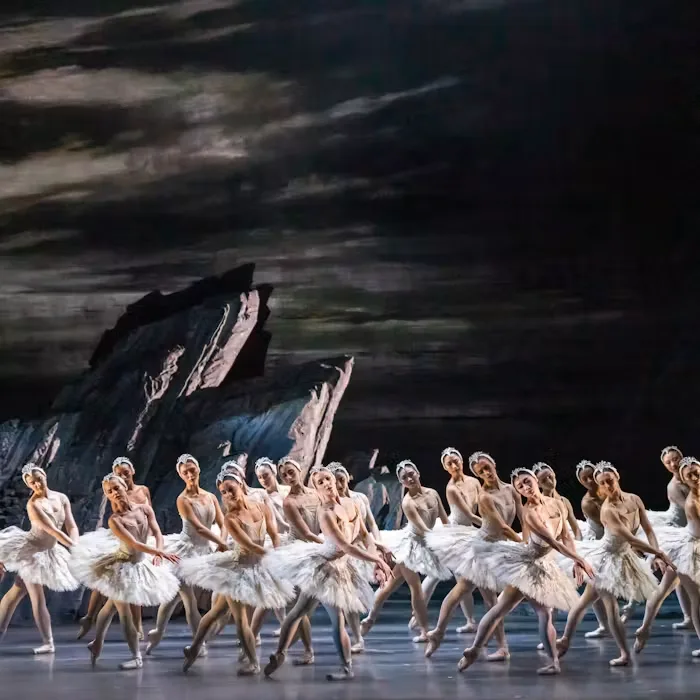
A Clinical Director's considerations when preparing for a Tour
By Shane Kelly, Clinical Director at The Royal Ballet
This year the Royal Ballet are touring to Singapore and Japan. Although this sounds fun and glamorous, long-haul travel and extended touring can be challenging to a dancer’s performance and wellbeing.
In this article we will learn some of the ways dancers of the Royal Ballet prepare for long trips overseas with the help of their Royal Ballet Healthcare team and ballet management, including insight from the Clinical Director, Director and first artist Ella Newton.
Touring and travelling are an inevitable and important part of a professional dancer’s career. Some companies tour more than others, and also the length of tours can differ from company to company.
At the Royal Ballet, we only tour once a year and this normally falls at the end of season. Touring normally can last one to three weeks so the nature of the travel has to be taken into account, specifically, long haul travel (trips over six hours) need additional thought and preparation.
It is helpful to divide touring preparation into the three stages:
Pre- travel
On the plane
On the ground
Pre-travel
Like most areas in healthcare, we follow the ‘5 Ps’ in getting ready for tour: Prior Preparation Prevents Poor Performance. The more time and conscious effort you put into getting ready for a long tour the less chance you have of things going wrong, or if they do, you will be able to cope.
As a dancer you need to be thinking about your destination and what’s the local environment relating to food, temperature, language and resources. Some countries are easier to travel to because all these factors align closely to your home environment. When travelling to somewhere like Japan, this is not the case and this is where your effort to accommodate these changes will have the most impact. As a healthcare team we try to get dancers thinking about these things before they travel and they are given a travel information booklet before they travel to help them with this.
On a more practical level, at least a week before the flight you need to be thinking about a few things such as having all medications you require for the whole tour in your hand luggage. Ensure you have enough of your usual supplements to last the entire trip. Think about compression on the flight and ensure your flight socks/compression stockings are to hand. ‘Bank’ as much sleep as you can by extending the amount of sleep you get in the nights leading up to travel particularly if you are crossing multiple time zones.
On the flight
Sitting on a plane in sometimes cramped conditions for extended hours is not ideal for performing artists. There are many negative consequences of such extended travel but the good news is there are steps you can take to minimise these effects.
To keep hydrated, drink little and often to avoid a dry mouth, which can increase infection risk. Vary your drinks and limit caffeine and alcohol, which dehydrate you. Drink with meals to support hydration. Use electrolytes rather than plain water where possible.
Hygiene is key for all times during travel and on the plane, in close proximity to other travellers, there are some steps you can take. For example, use anti-viral hand foam before eating and after using the toilet. Use zinc lozenges regularly in-flight to support immunity and keep your throat moist.
Swelling of the legs can be a big problem for a ballet dancer, especially if you need to perform promptly off a plane. Long-haul inactivity can cause blood to pool in the legs, leading to swollen feet and ankles and we are lucky that we have a partnership with Isobar who are a premium compression wear company for elite sports people. Beside compression wear some other tips are to; wear loose, comfortable clothing, walk around the cabin when possible, do seated foot and leg exercises, and avoid crossing your legs.
On the ground
Prepare for arrival by banking sleep before travel and resting on the plane whenever tired. Most Tokyo arrivals are in the morning, when the body may still feel it is late evening in the UK, so use daylight, gentle activity and fresh air to stay awake.
Keep any afternoon nap short, ideally no more than 20 minutes, and wind down in the evening with a cool, dark room and no phone use before bed. A short-term over-the-counter sleep aid may help on the first night if needed. Wake at a normal local time and use tea or coffee to support alertness.
For the first few days, be cautious in class and rehearsal, as jet lag can reduce physical capacity even when you feel well. In hot climates, dehydration is a major risk: monitor fatigue, headache, irritability and insomnia, use electrolytes and carbohydrate to replace salts and support fluid absorption, and keep bottles clean.
Whether supported by a healthcare team or not, dancers have the agency to manage themselves on tour. Generally, a dancer’s planning should involve how you are going to eat well, sleep well and recover in between an intense performance schedule. Once on the ground, trying to get good food, sleep and recovery into your routine must be the priority. Normally the Company, the healthcare team or your fellow dancers who have travelled to the country previously can help with this.
Dancer Insights
We spoke to first artist Ella Newton at the Royal Ballet for some insight on how she prepares for tour.
What are some of the things you think about when you prepare for travel and performing on a long tour?
Preparing for a long tour as a professional ballerina requires far more than technical preparation; it demands endurance, discipline, and meticulous organisation. In the weeks leading up to a tour, my focus is on ensuring that my body, equipment, and daily routines are fully prepared for the physical demands of repeated performances. The priority is to arrive on tour in a healthy condition, rather than already fatigued.
An essential part of my preparation is addressing any minor niggles before they have the opportunity to develop into more significant injuries. Working closely with our physiotherapists, strength and conditioning coaches, and Pilates instructors, I follow an individualised programme designed to manage these issues while improving strength, stability, and resilience.
I also place a strong emphasis on refining my recovery routine. Touring often means performing the same ballet several times within a short period, leaving limited time for recovery between performances. To support this workload, I prioritise consistent, high-quality sleep, maintain good hydration, and ensure I am fuelling my body appropriately to meet the demands of training and performance.
Practical preparation is equally important. Alongside the usual essentials, I pack reliable, nutrient-dense snacks and recovery tools such as massage balls and resistance bands, allowing me to maintain my recovery routine even when performing in unfamiliar environments. These small but deliberate habits help me remain physically prepared and perform consistently throughout the tour.
What is the one most useful thing you do on tour to help prevent injury while on tour?
When on tour, we perform multiple shows within a very short timeframe, making recovery the most important factor in preventing injury. With limited time to recover between performances, the body is subjected to increased physical stress. As fatigue accumulates, technique can begin to deteriorate and the body's ability to absorb and distribute forces efficiently is reduced, increasing the risk of injury. This is why prioritising effective recovery through good nutrition, adequate hydration, and high-quality sleep is essential during a demanding tour schedule.
Alongside recovery, I make it a priority to warm up thoroughly before every performance. I complete a series of activation exercises tailored to the specific repertoire I am performing that day, ensuring my muscles are prepared for the physical demands ahead. This routine also provides an opportunity to assess how my body feels, allowing me to identify any areas of tightness, soreness, or minor niggles that may require additional attention before stepping on stage.
Recovery does not end when the curtain falls. Winding down both physically and mentally after each performance is equally important in supporting long-term performance and reducing injury risk. I begin by stretching and using massage balls or a foam roller to release muscle tension, before refuelling with a balanced meal and rehydrating to replenish energy stores and replace fluids lost during performance. Finally, I prioritise high-quality sleep, recognising it as one of the most effective tools for physical repair and adaptation.
Remaining consistent with these recovery habits, even whilst away from my usual routine, allows me to maintain my physical health, minimise injury risk, and perform at a consistently high standard throughout the tour.
Director’s insight
Kevin O’Hare, Director of The Royal Ballet, echoes of the importance of dancer preparation before a tour.
“When The Royal Ballet goes on tour, we want the audiences to experience The Royal Ballet as it would be seen at the Royal Opera House in London with the highest quality performances.
Taking the whole Company on tour, there is an added pressure on the performances with an intense travel and rehearsal schedule. How the dancers manage themselves, along with the support of the Healthcare team, is vital for the success of the tour. Our Healthcare team works alongside our dancers to best prepare them even before the dancers depart and this makes a big impact on the success of the performances and tour as a whole.
It is evident that the dancers who prepare and manage themselves conscientiously while on tour, perform at their best”.