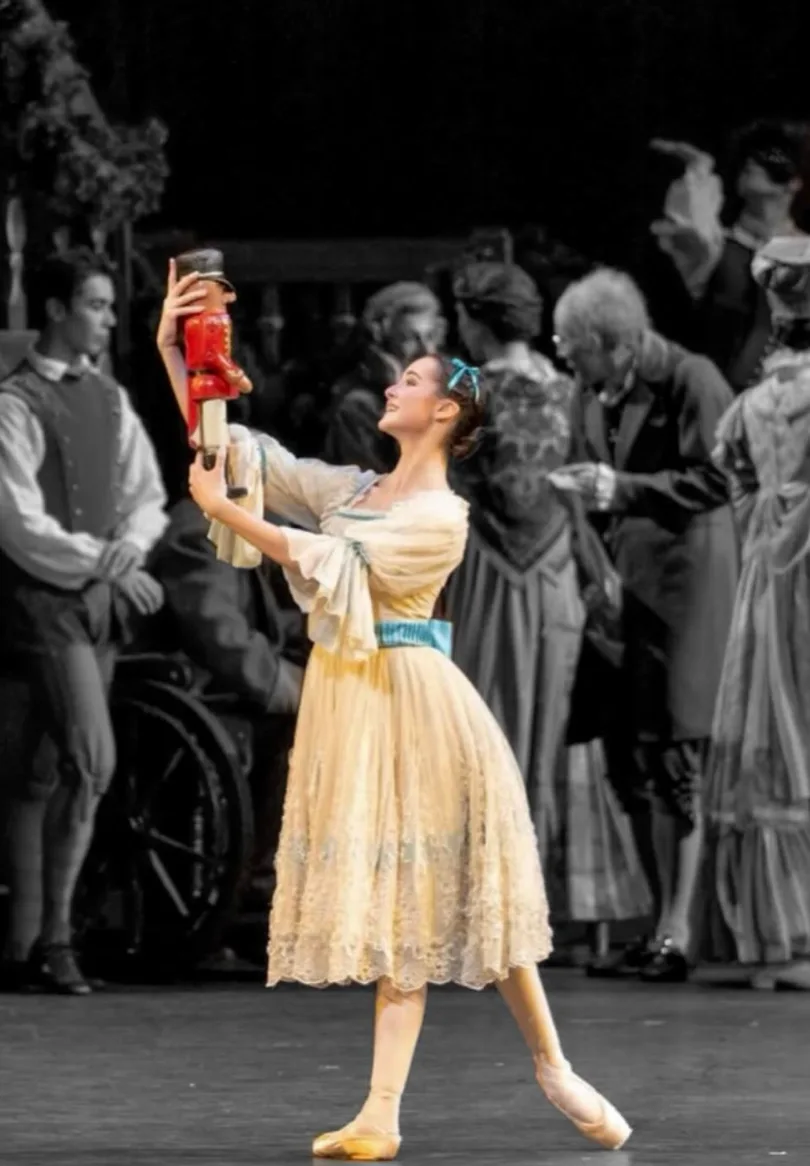
A dancer perspective on preparing for Tour
By Shane Kelly, Clinical Director at The Royal Ballet
We spoke to first artist Ella Newton at the Royal Ballet for some insight on how she prepares for tour.
What are some of the things you think about when you prepare for travel and performing on a long tour?
Preparing for a long tour as a professional ballerina requires far more than technical preparation; it demands endurance, discipline, and meticulous organisation. In the weeks leading up to a tour, my focus is on ensuring that my body, equipment, and daily routines are fully prepared for the physical demands of repeated performances. The priority is to arrive on tour in a healthy condition, rather than already fatigued.
An essential part of my preparation is addressing any minor niggles before they have the opportunity to develop into more significant injuries. Working closely with our physiotherapists, strength and conditioning coaches, and Pilates instructors, I follow an individualised programme designed to manage these issues while improving strength, stability, and resilience.
I also place a strong emphasis on refining my recovery routine. Touring often means performing the same ballet several times within a short period, leaving limited time for recovery between performances. To support this workload, I prioritise consistent, high-quality sleep, maintain good hydration, and ensure I am fuelling my body appropriately to meet the demands of training and performance.
Practical preparation is equally important. Alongside the usual essentials, I pack reliable, nutrient-dense snacks and recovery tools such as massage balls and resistance bands, allowing me to maintain my recovery routine even when performing in unfamiliar environments. These small but deliberate habits help me remain physically prepared and perform consistently throughout the tour.
What is the one most useful thing you do on tour to help prevent injury while on tour?
When on tour, we perform multiple shows within a very short timeframe, making recovery the most important factor in preventing injury. With limited time to recover between performances, the body is subjected to increased physical stress. As fatigue accumulates, technique can begin to deteriorate and the body's ability to absorb and distribute forces efficiently is reduced, increasing the risk of injury. This is why prioritising effective recovery through good nutrition, adequate hydration, and high-quality sleep is essential during a demanding tour schedule.
Alongside recovery, I make it a priority to warm up thoroughly before every performance. I complete a series of activation exercises tailored to the specific repertoire I am performing that day, ensuring my muscles are prepared for the physical demands ahead. This routine also provides an opportunity to assess how my body feels, allowing me to identify any areas of tightness, soreness, or minor niggles that may require additional attention before stepping on stage.
Recovery does not end when the curtain falls. Winding down both physically and mentally after each performance is equally important in supporting long-term performance and reducing injury risk. I begin by stretching and using massage balls or a foam roller to release muscle tension, before refuelling with a balanced meal and rehydrating to replenish energy stores and replace fluids lost during performance. Finally, I prioritise high-quality sleep, recognising it as one of the most effective tools for physical repair and adaptation.
Remaining consistent with these recovery habits, even whilst away from my usual routine, allows me to maintain my physical health, minimise injury risk, and perform at a consistently high standard throughout the tour.